11400 Rockville Pike #106 North Bethesda, MD 20852

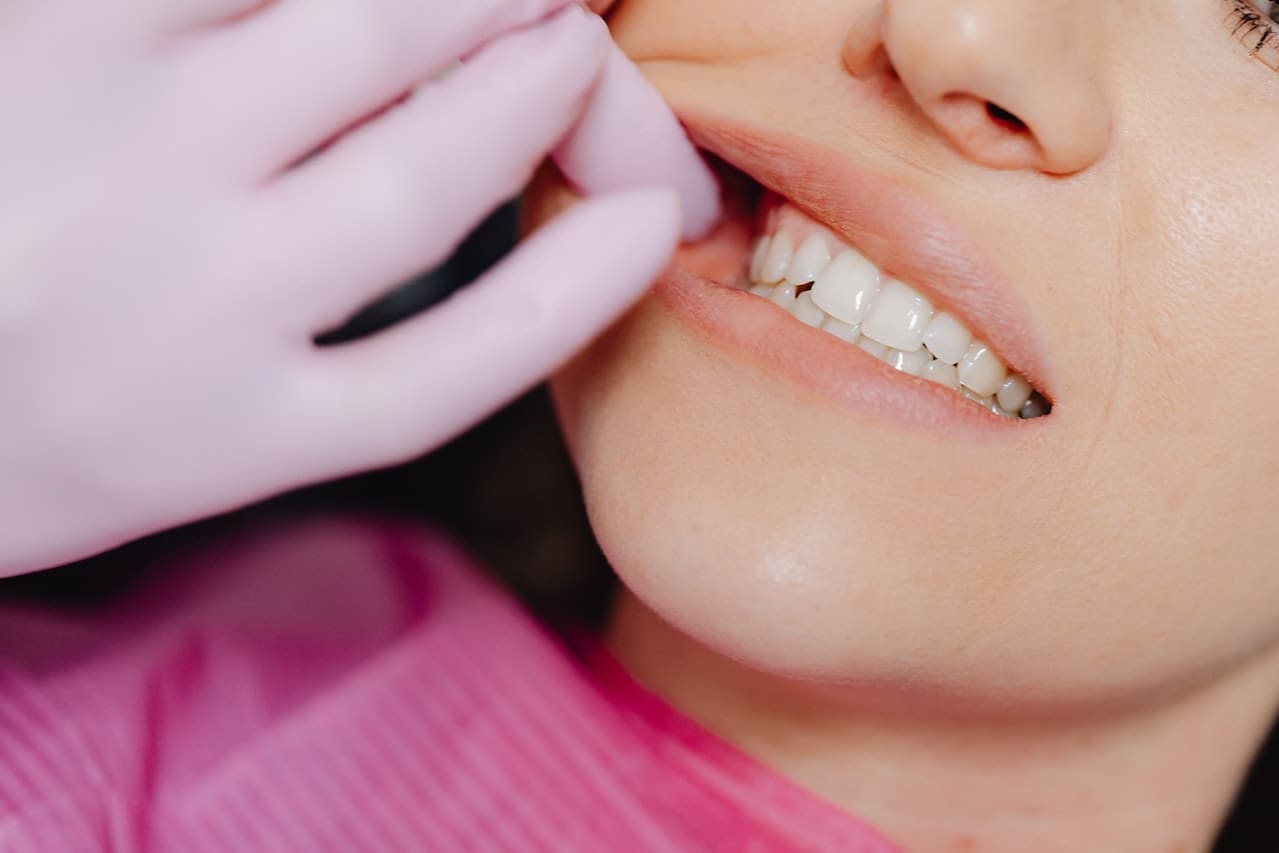
Despite what sellers of numerous over-the-counter treatments claim, only one chemical can change the color of teeth. Hydrogen peroxide and its near relative carbamide peroxide (which breaks down fast into hydrogen peroxide) penetrate the enamel and oxidize dark-colored molecules within the strong tooth structure. It bleaches the underlying tooth color to a whiter tint by breaking down darkly colored components.
Read about teeth whitening and where to find a dentist on Rockville Pike.
Throughout our lives, various changes can occur that cause teeth to seem darker or yellower in color. Some of these changes can be avoided, while others cannot. The good news is that they all respond favorably to whitening solutions in general!
A quick study of dental anatomy will help you comprehend these changes and how genuine teeth whitening works. Teeth are made up of a hollow chamber called the pulp that contains nerves and blood vessels and is bordered by a yellow hard substance called dentin.
The majority of each tooth is made up of dentin. Enamel forms a hard coating over the teeth area that is not encased in the jawbone, covering the dentin (all but the roots). Enamel is a white, slightly translucent material.
Dark pigments from the foods and drinks we consume can build up on the enamel surface, resulting in external (also known as extrinsic) staining. Extrinsic stains can be caused by anything dark, but coffee, tea, and tobacco products are the most common offenders.
The degree of surface staining that occurs depends on the surface texture of the enamel. Enamel that is glassy smooth is more stain-resistant than enamel that is rough and pitted.
Another factor that affects the look of tooth color is enamel thinning. As discussed in our tooth anatomy review, the enamel is white and slightly translucent. This implies that more underlying yellow dentin becomes visible as the enamel wears away or thins. Acid erosion is the most common cause of enamel thinning.
A high intake of acidic liquids (such as sodas, fruit juices, sports drinks, lemon, lime-flavored waters, etc.) might cause this. It could also be a symptom of severe acid reflux, generally known as GERD. Unfortunately, enamel does not regenerate or sprout. It can only be swapped with dental restorations once it’s gone.