11400 Rockville Pike #106 North Bethesda, MD 20852

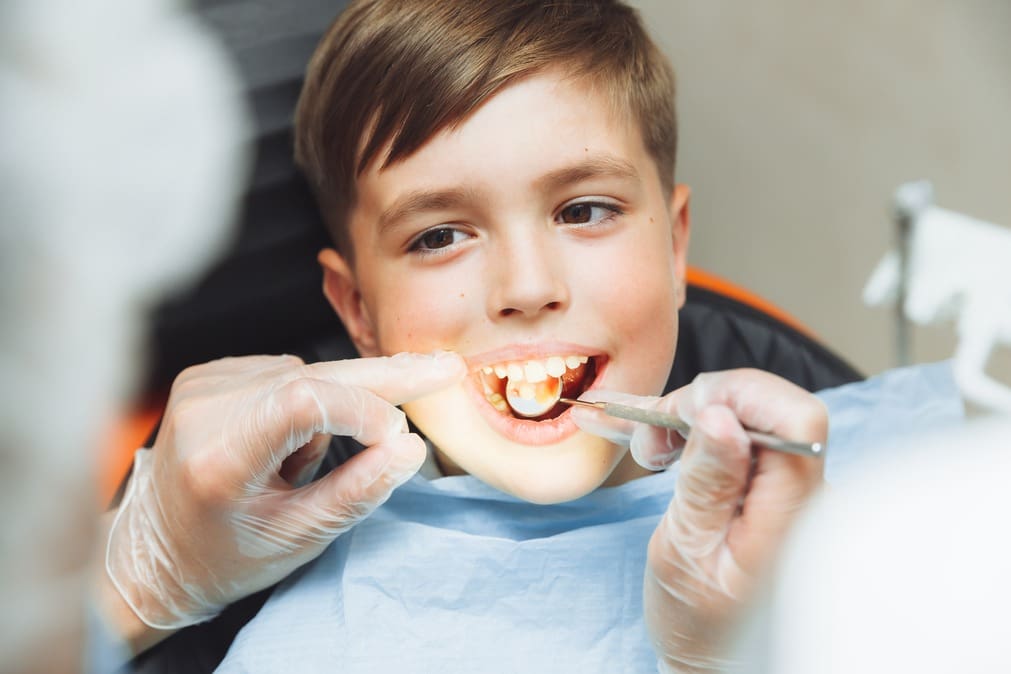
Cavities in young children can be frustrating, especially when they do not know how to deal with the condition themselves.
Generally, early childhood caries are caused by frequent nursing or bottle-feeding from a bottle. That causes the milk to stay in the mouth longer than usual, which provides a fertile environment for certain types of bacteria to grow.
A child’s mouth is full of bacteria, but in a healthy mouth, the right mix of bacteria balances each other out and prevents cavities. When milk stays in the child’s mouth, the wrong types of bacteria may flourish, and cariogenic bacteria may spread.
If you think that you’re doing your best to take good care of your children’s teeth, there is so much more you need to know.
In both children and adults, cavities on the chewing surfaces of teeth are usually caused by a diet high in sugar, especially refined sugar. However, some children have a genetic tendency toward early childhood caries, even when their diets are good.
Tooth decay can happen at any age, but it often strikes in childhood. The bacteria that cause tooth decay, including Streptococcus mutans, Streptococcus sobrinus, and Lactobacillus, can live in many places, including the mouth and digestive tract. They thrive in a person’s mouth, especially when there’s a build-up of sugars and carbohydrates.
These bacteria change the tooth surface through demineralization, making it easier for them to stick to the tooth.
When brushing and flossing aren’t enough to remove these food particles, they settle on the teeth, and the bacteria start working. Lactobacillus and Streptococcus species metabolize sugars, producing lactic acid, which dissolves the hard outer layer of the teeth (called enamel). The bacteria also produce toxic waste products that kill and damage healthy cells.
The acids produced by bacteria in children with early childhood caries are much stronger than in adults. These substances can also kill and damage more healthy cells and dissolve more enamel.
More than just being painful, tooth decay in children can cause life-long health problems. It can cause the child’s tooth to be more likely to fracture and break, leading to further tooth decay and issues with moving the teeth.
If your child has sleep apnea, their risk of tooth decay and cavities increases. That is because when the child is sleeping, their airway is blocked, and they are not breathing normally. Because of this, they are not swallowing fluids to cleanse their teeth.
Without swallowing the fluids, the soft food left in their mouth from the previous meal or snack is left to rot. Rotting food provides a perfect environment for cavities to form.