11400 Rockville Pike #106 North Bethesda, MD 20852

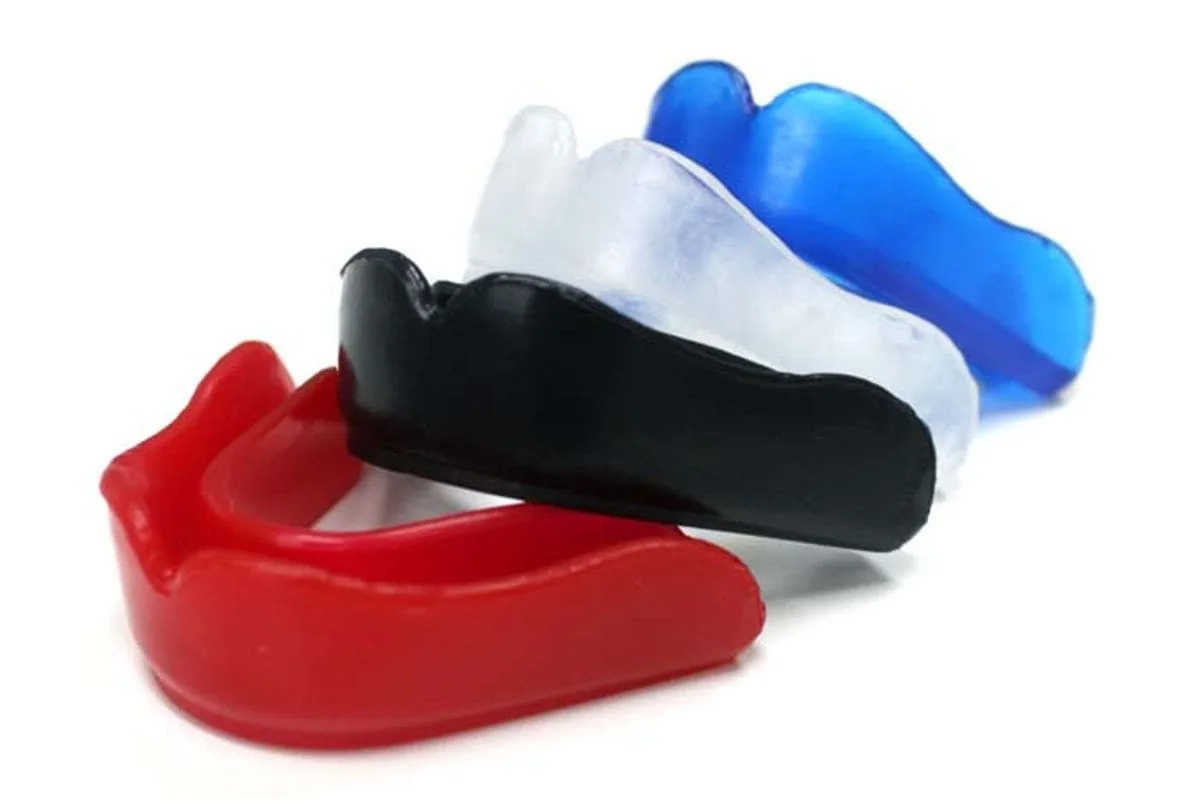
Mouth guards are a critical component of safety equipment in contact sports, offering protection against dental injuries, which can be severe and expensive to address. With the American Dental Association highlighting a 60-fold increase in dental injuries for athletes without mouth guards, their significance cannot be overstated. Despite improvements in usage rates over the years, resistance to mouth guards persists, often due to discomfort or misconceptions about their necessity. This article delves into the risks associated with contact sports, the evolution of mouth guard adoption, and the ongoing challenges in ensuring athlete compliance.

As you delve into the history of mouth guard use in contact sports, you will find a significant shift in adoption rates over the years. Mouth guard use has seen a substantial increase, with current usage at 85%, a stark contrast to the 31% reported two decades ago. This change reflects a growing awareness of the importance of dental protection during athletic activities.
Despite the upward trend, resistance persists, primarily due to discomfort and the perception that mouth guards are unnecessary. Athletes who have suffered dental injuries are more likely to recognize the value of mouth guards, with those having experienced trauma being twice as likely to wear them.
The evolution of mouth guard adoption is also influenced by the sport itself. For example, field hockey’s rising popularity, especially among North American women in high school and college, has brought increased attention to the need for dental protection. This attention is crucial in sports where the risk of lower facial injuries is significant.
To understand the attitudes towards mouth guards, consider the following points:
When considering mouth guards for contact sports, you are faced with the choice between custom-fit and store-bought options. Custom-fit mouth guards offer a tailored solution, designed to conform precisely to your oral anatomy. This personalized approach not only ensures maximum protection but also enhances comfort, potentially increasing your willingness to wear the guard consistently.
Store-bought mouth guards, while more readily accessible and often less expensive, may not provide the same level of comfort or protection. They are typically available in limited sizes and require you to mold them to your teeth, which can result in a less accurate fit. Here are some points to consider when choosing between the two: