11400 Rockville Pike #106 North Bethesda, MD 20852

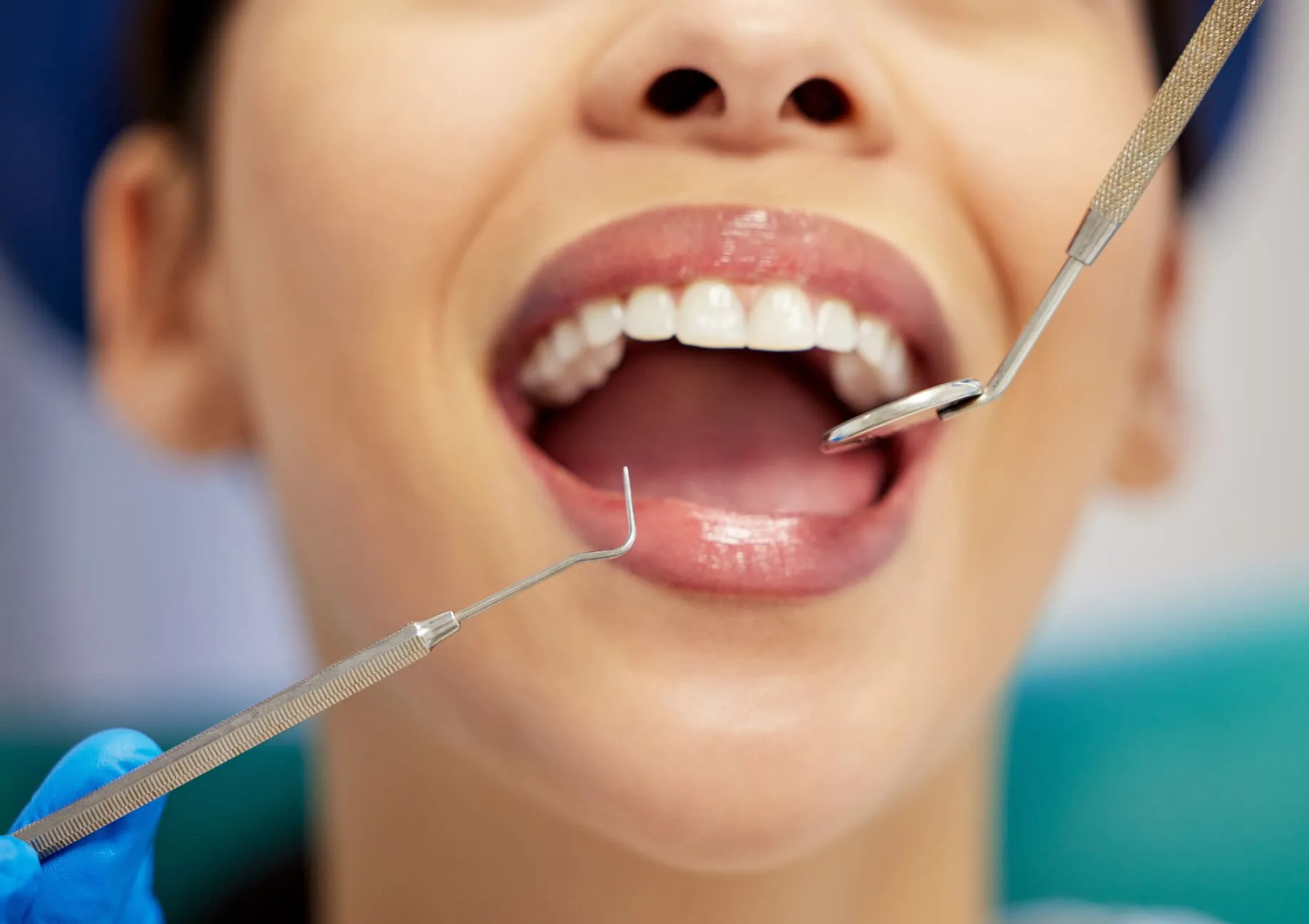
It’s estimated that around 85% of people will develop at least one wisdom tooth during their lifetime, and for many people, these teeth will eventually need to be removed. While there’s no set age for when wisdom teeth removal is necessary, it’s usually recommended for people between the ages of 17 and 25.
That said, there are a few different reasons why your wisdom teeth may need to be removed. Below are just a few examples you may or may not encounter along the way.
If you’re experiencing pain in your mouth, especially around your wisdom teeth, it’s important to be careful. Inflammation in your gums, jawbone or other parts of your mouth can lead to serious damage if you’re not careful. This can include tooth loss.
The professional will take a look at it and, depending on what they find, will tell you if you need to have your wisdom teeth removed.
If your gums are red, swollen, or bleeding, it might be a sign that your wisdom teeth are causing irritation. This can also lead to gum recession, which is when your gums start to pull away from your teeth.
You should consult with a dentist to see if you need to have your wisdom teeth removed. This is important to do in order to avoid any potential risks.
Most people have their wisdom teeth removed because they become impacted, which can cause difficulties with chewing and an increased risk of choking.
If you think you may have difficulty with your wisdom teeth, it’s best to schedule an appointment with your dentist to check them out. In some cases, wisdom teeth may need to be removed in order to avoid further problems.
Wisdom teeth that are impacted can cause problems because they can trap food and cause inflammation of the gums. This can lead to bad breath or an unusual taste in the mouth.
If you delay removing your wisdom teeth, you risk the infection spreading to your jawbone and causing damage. If left untreated, the infection can cause serious problems in your mouth down the road.