11400 Rockville Pike #106 North Bethesda, MD 20852

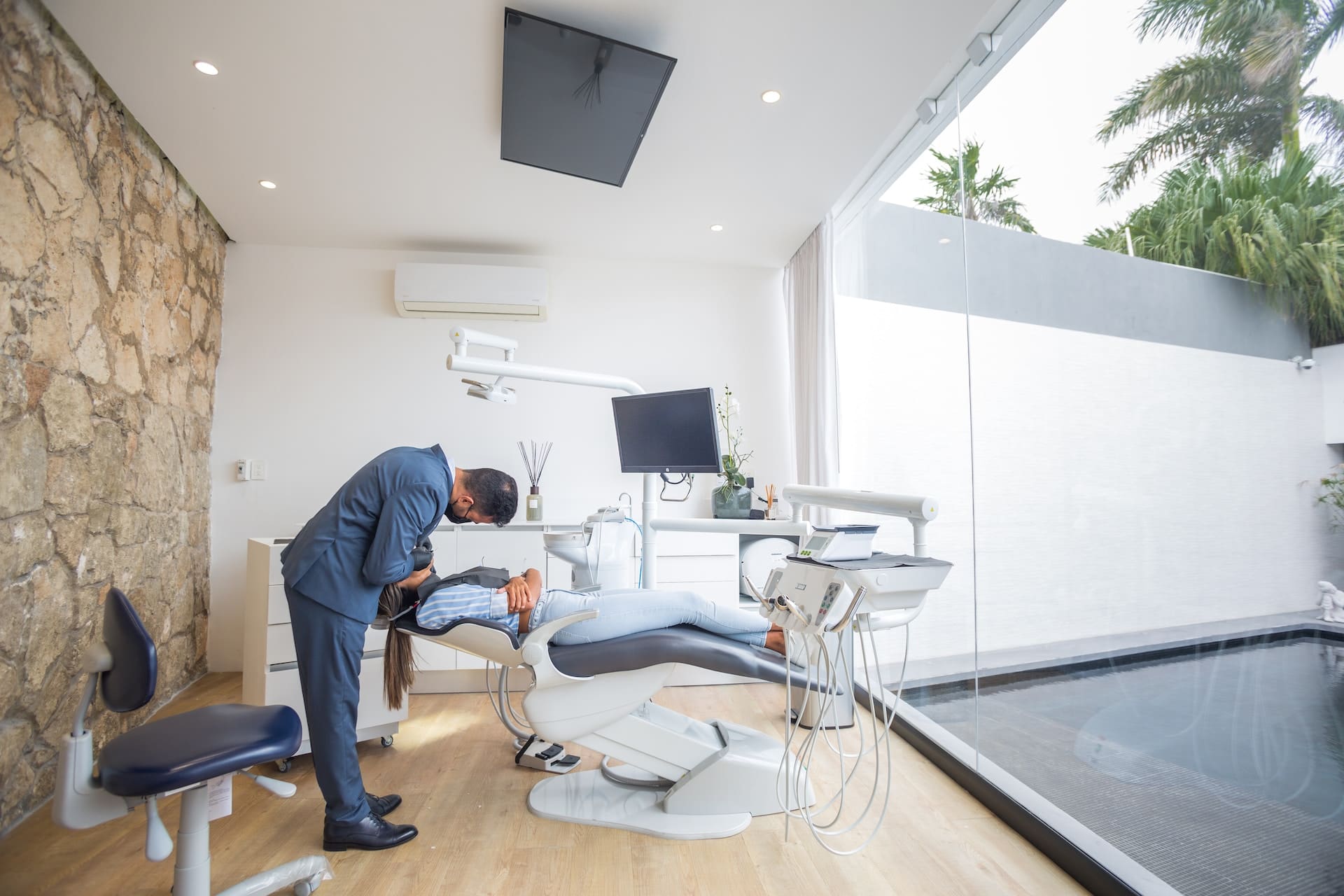
Before the procedure, your dentist will evaluate your medical history and ask about any medications you are taking. It is important to disclose all medications, including over-the-counter drugs and supplements, as they may affect the effectiveness of the sedative or interact with other medications.
Your dentist will explain the type of sedative that will be used and the dosage. Depending on the level of sedation required, the dosage may vary. Your dentist will also provide instructions on what to eat or drink before the procedure.
Once you arrive at the dentist’s office, the dentist or dental hygienist will monitor your vital signs to ensure that the medication is working correctly. They will also ask you how you are feeling and if you are experiencing any discomfort.
When the medication takes effect, you will feel relaxed and drowsy. Some patients may even fall asleep during the procedure. However, you will still be able to respond to the dentist’s instructions.
After the procedure, you will need to rest for a few hours until the effects of the sedative wear off. You may feel drowsy or dizzy, so it is important to have someone accompany you home and avoid operating heavy machinery or engaging in activities that require alertness.
Your dentist will provide instructions on post-operative care and recommend pain relievers if necessary. It is important to follow these instructions carefully to ensure a smooth recovery.
Oral sedation can provide many benefits for patients who experience dental anxiety or fear. It can help patients feel more relaxed and comfortable during the procedure, which can reduce pain and discomfort. Oral sedation can also help patients with a gag reflex or those who have difficulty sitting still for long periods.
Oral sedation is a safe and effective way to manage dental anxiety and fear. It provides a relaxing and comfortable experience for patients who may have had negative experiences in the past.
If you are scheduled for oral sedation, follow the dentist’s instructions carefully and discuss any pre-existing medical conditions or medications you are taking with them before taking oral sedation, as outlined in this article.
With proper planning and communication, oral sedation can provide many patients with a comfortable and stress-free dental experience.
Are you one of the many people who experience dental anxiety? You are not alone. Many people avoid dental visits due to anxiety or fear, which can lead to more serious dental problems in the long run.