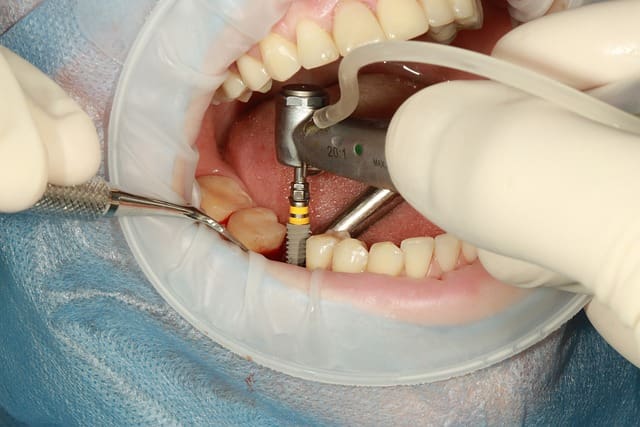
When it comes to replacing missing teeth, the common debate between dental bridges vs implant options often arises. Dental bridges, which are prosthetic devices, fill in the gaps left by missing teeth, offering a viable solution for those seeking to restore their smile. Conversely, dental implants serve as artificial tooth roots surgically implanted into the jawbone, providing a durable and permanent base for replacement teeth. Both options play a crucial role not only in enhancing aesthetic appeal but also in maintaining overall oral health and functionality.
Dental Bridges
Dental bridges come in different types, such as traditional, cantilever, and Maryland bridges. The procedure for getting a dental bridge involves preparing the adjacent teeth, taking impressions, and placing the bridge. Some pros of dental bridges include affordability and shorter treatment time, but cons may include potential damage to adjacent teeth and a shorter lifespan compared to implants.
Dental Implants
Dental implants are available in various types, including endosteal and subperiosteal implants. The process of getting a dental implant requires surgically placing the implant in the jawbone, allowing it to fuse with the bone over time. Benefits of dental implants include long-term durability, preservation of bone structure, and natural look and feel. However, drawbacks may include higher cost and a longer treatment timeline compared to bridges.
Factors to Consider
When deciding between dental bridges and implants, factors to consider include cost comparison, longevity, and maintenance requirements. While dental bridges may be more cost-effective initially, implants may offer better long-term value due to their durability. Maintenance and care for both options are essential to ensure their longevity and functionality.
Choosing the Right Option
To determine the right option for you, consulting with a dentist is crucial. Considering individual needs and preferences, such as oral health status and aesthetic goals, will help guide the decision-making process. A summary of key points, including cost, longevity, and maintenance, can assist in making an informed choice that aligns with your oral health needs.
Conclusion
In conclusion, the choice between
dental bridges and implants depends on various factors, including cost, longevity, and maintenance requirements. Seeking professional advice from a dentist is recommended to assess your specific situation and make an informed decision. Remember to prioritise oral health and functionality when considering options to replace missing teeth.