11400 Rockville Pike #106 North Bethesda, MD 20852

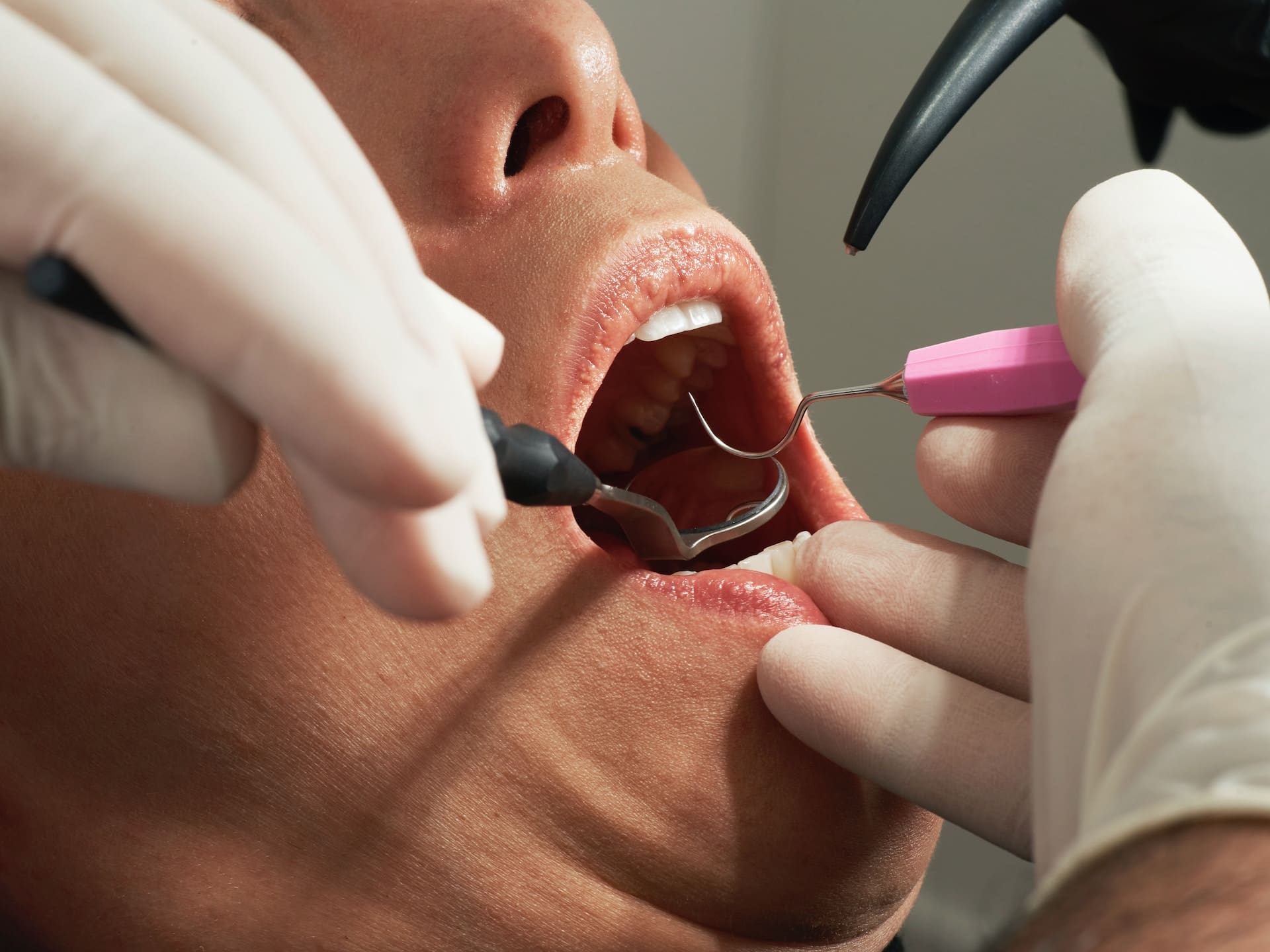
As we go about our daily lives, we often forget the importance of our oral health. We brush our teeth in the morning and before bed, but we don’t always think about what might happen if we neglect our teeth. Dental emergencies can happen to anyone at any time and can be painful, inconvenient, and expensive to fix.
As the name suggests, dental emergencies require immediate attention from a dentist. These emergencies can happen for various reasons, such as trauma to the mouth, infection, or decay. Dental emergencies can lead to more severe health problems when left untreated, so it’s essential to seek help as soon as possible. For this reason, one must know the different types of dental emergencies, such as:
Broken or cracked teeth are one of the most common dental emergencies that people can experience. This condition occurs when a fracture, crack, or break occurs in one or more teeth. There are several reasons teeth can break or crack, such as biting into hard foods, trauma to the mouth, or cavities that weaken the teeth.
The symptoms of broken or cracked teeth include pain, sensitivity, and difficulty chewing or biting. Sometimes, the tooth may be visibly broken or have a visible crack. A broken or cracked tooth can lead to infection, further decay, or even tooth loss if left untreated.
Toothaches are another typical dental emergency. This condition is characterized by pain and discomfort in the teeth or gums. Toothaches can be caused by various factors, such as tooth decay, gum disease, tooth abscesses, or even trauma to the mouth.
The symptoms of toothaches include pain, sensitivity, swelling, and difficulty chewing or biting. A toothache can lead to further decay, infection, or even tooth loss if left untreated.
A tooth abscess is a bacterial infection in the tooth or the surrounding gum tissue, characterized by the affected area’s pain, swelling, and redness. Tooth abscesses can be caused by untreated tooth decay, gum disease, or trauma to the tooth.
The symptoms of tooth abscesses include pain, swelling, redness, and difficulty chewing or biting. Sometimes, a tooth abscess can cause fever and other systemic symptoms. A tooth abscess can lead to further infection, tooth loss, or even spread to other body parts if left untreated.
A knocked-out tooth is a dental emergency when a tooth is completely removed from its socket due to trauma or injury. This condition is also known as an avulsed tooth. The main symptoms of a knocked-out tooth are bleeding, pain, and a visible gap in the mouth where the tooth used to be. Sometimes, the tooth may be partially dislodged or pushed out of position, causing discomfort and difficulty eating or speaking.
If a tooth is knocked out, you must seek dental care immediately. The dentist may be able to re-implant the tooth if it is treated promptly. In the meantime, the tooth should be handled carefully, avoiding touching the root, and kept moist in milk or saline solution until it can be treated.